

Personal Response to James Baldwin's Native Son
- megzgwaunza
- Jul 3, 2021
- 4 min read
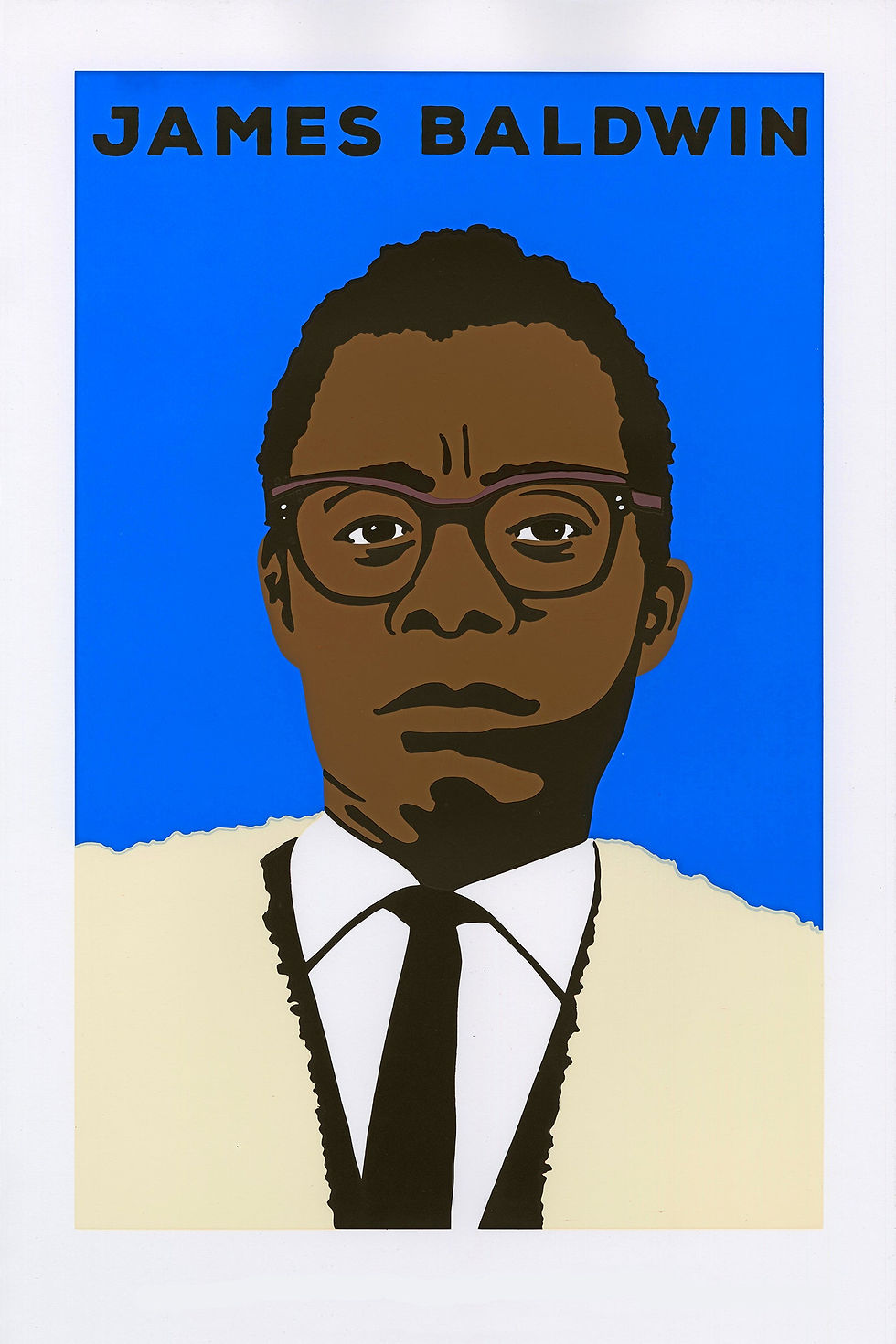
From the first and second chapters of James Baldwin’s Native son, we can see the dangers of what hatred can do to an individual. It eats them from the inside and leaves them a shadow of the person that they once were. We see this in James’ father, who was bitter at the world because of the racial abuse that he faced from white people at the time. James doesn’t understand his father’s behaviour and hates him for the cruelty that he shows to his family and the people he interacts with.
However, Baldwin failed to put himself in his father’s shoes and view the world through his father’s eyes. He chose to see the world as a place without any racial tension and did not understand why his father was so weary of receiving the white teacher’s help. His father tried to tell him that not all white people he encountered would be as friendly as the teacher and that most of them would do him more trouble than good, but because James did not like his father, he brushed it off. James was afraid of inheriting his father’s bitterness at the world, so he chose to ignore what his father had taught him.
He later sees that life itself is the greatest teacher of all, and it has a way of teaching us things that nobody else ever could. James soon sees how racism can cause black people to develop a self-destructive relationship with the world. He first experiences it in New Jersey, where they refuse to serve him at a diner, and he only realises it after getting no service after four visits. Then on his last night in New Jersey, he finally cracks after being told that they did not serve negroes at the establishments he visited. He is driven into a blind rage because he fails to come to grips that he is being denied a meal solely based on the colour of his skin.
Sadly, James Baldwin wrote this book nearly a century ago, and the same racial tensions still exist in the present-day world that we live in. The same privileges that white people had in those times are more or less the same privileges that they still have today. The same racial bias and stereotypes still separate us as people and affect our day to day lives.
Growing up in Zimbabwe, I was not aware of how politicised my dark black skin would become if I ever decided to leave Zimbabwe. Our identities are translated into different things when we enter different spaces, and we are judged by what the people in those spaces believe. We can see the difference between being black in Zimbabwe versus being black in America. Like Baldwin, when he moved to New Jersey, we can move into spaces where life changes its meaning because the quality of the life changes to a more negative one. We then become bitter people because it feels like we are being set up to fail by society.
In Zimbabwe, racism has become more classist, so certain people won’t go to a particular establishment because there are more black people than white people. This is the experience that I had in high school where people claimed the standards in our school because there were more black people than white in our school. It affected me when I was growing up because I felt offended that people automatically believed that the level of education that I was receiving at my school was different from theirs because there were fewer white students and white teachers at my school. Why was skin colour being used to measure good standards?
Whereas in America, racism has become systemic. Black people are targeted in their everyday activities. Black Americans may have been emancipated from slavery but they are still being treated like slaves within their own country. It may be the land of opportunity and freedom for some people, but the system has a way of reducing them to nothing but their skin colour, and that alone makes them worthless.
In Africa, black people are the majority; however, they make up one of the minority races in America. Like Larry Madowo, a Kenyan journalist, said, it did not matter that he “came from a Black majority nation, people who look like me here have to negotiate for their humanity with a system that constantly alienates, erases and punishes them”.
With racism being a huge threat to peace in the modern world as much as it was during the colonial and civil rights movement eras, it shows that we have not properly dealt with the issues of the past. We can not begin to deal with racism worldwide without acknowledging that most states were built upon racist ideologies, and without addressing these, we will not move forward.
The modern state was born from Colonialism through the expansion of European states into different territories worldwide and their assertion of dominance over those territories for centuries. These territories were represented in racialised contexts. The racialized governments then drew up many policies for these countries which continue to live on even after decolonisation and still up the inequalities in those states.
Africa, for example, is still subject to economic exploitation as it was back then. It is still looked at as a pawn in global affairs, and countries from the East such as China and the West like the United States of America compete to have access to different countries’ resources. There is still a lot of colonial activity still happening on this continent.
For the world to deal with the racial tensions that are costing us many lives and preventing the development of different nations, we need to address our past adequately and accountability to be taken by Western countries for their wrongdoings.



Comments