

COVID 19 and its horrible effect on the informal sector in Zimbabwe
- megzgwaunza
- Nov 14, 2021
- 2 min read
In Zimbabwe, according to the World Bank's most recent economic analysis for the country, the number of severely poor residents increased to 7.9 million in 2020 as a result of the COVID-19 (coronavirus) pandemic and its consequences. As a means of preventing the virus from spreading even further, the Zimbabwean government imposed a total lockdown on the country which prevented the movements of all citizens. This meant that only essential workers had the right to move with special permission permits or letters and other citizens were ‘’forced’ to sit at home.

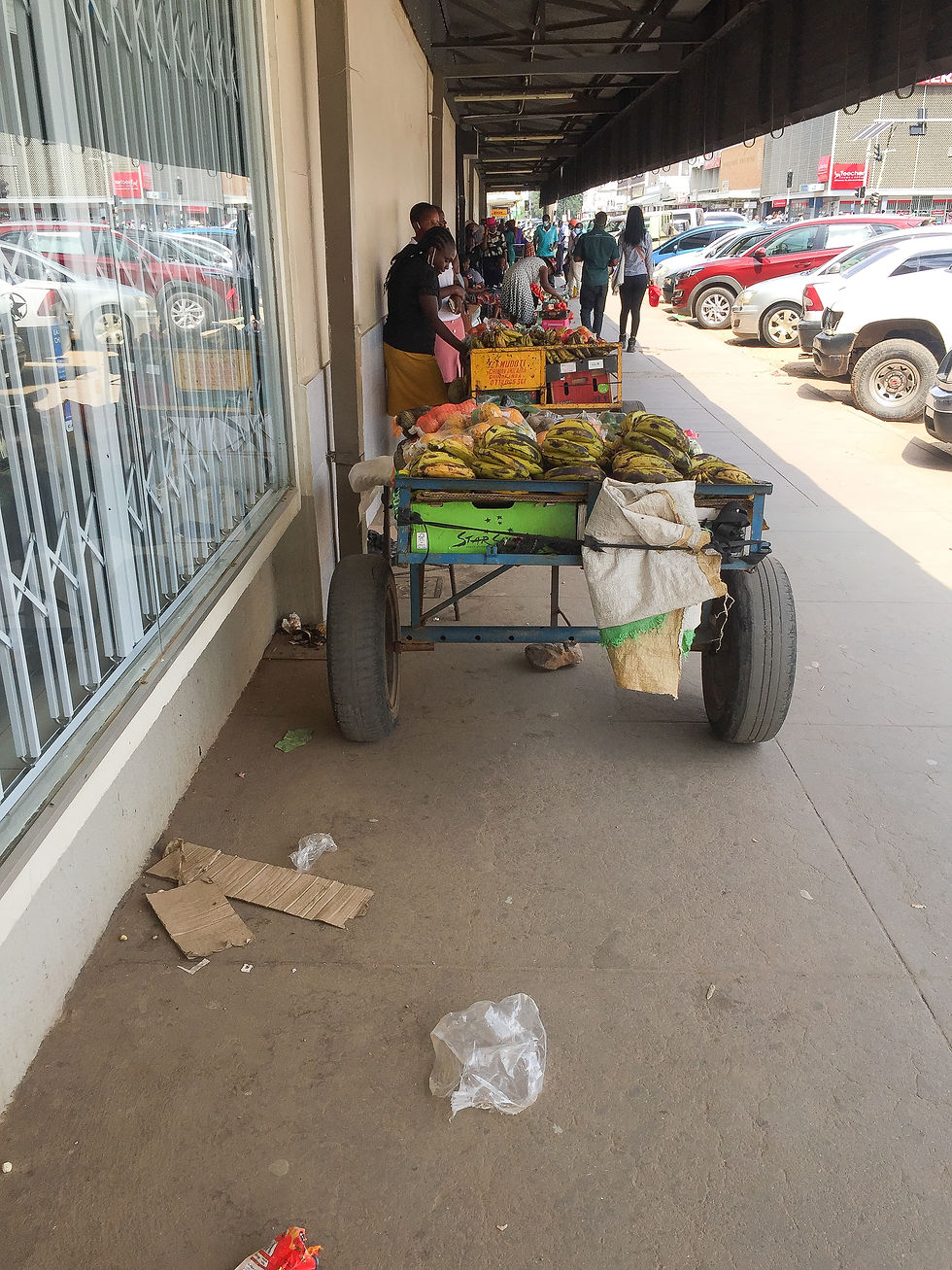
As the lockdown levels lowered around December last year, the rules became more relaxed to allow the movement of citizens, they were soon allowed to return to work with vaccine programmes being promoted in the country. Despite everything moving towards pre-COVID-19 normalcy, one thing seemed to stick - the banning of vendors within the central business district (CBD).
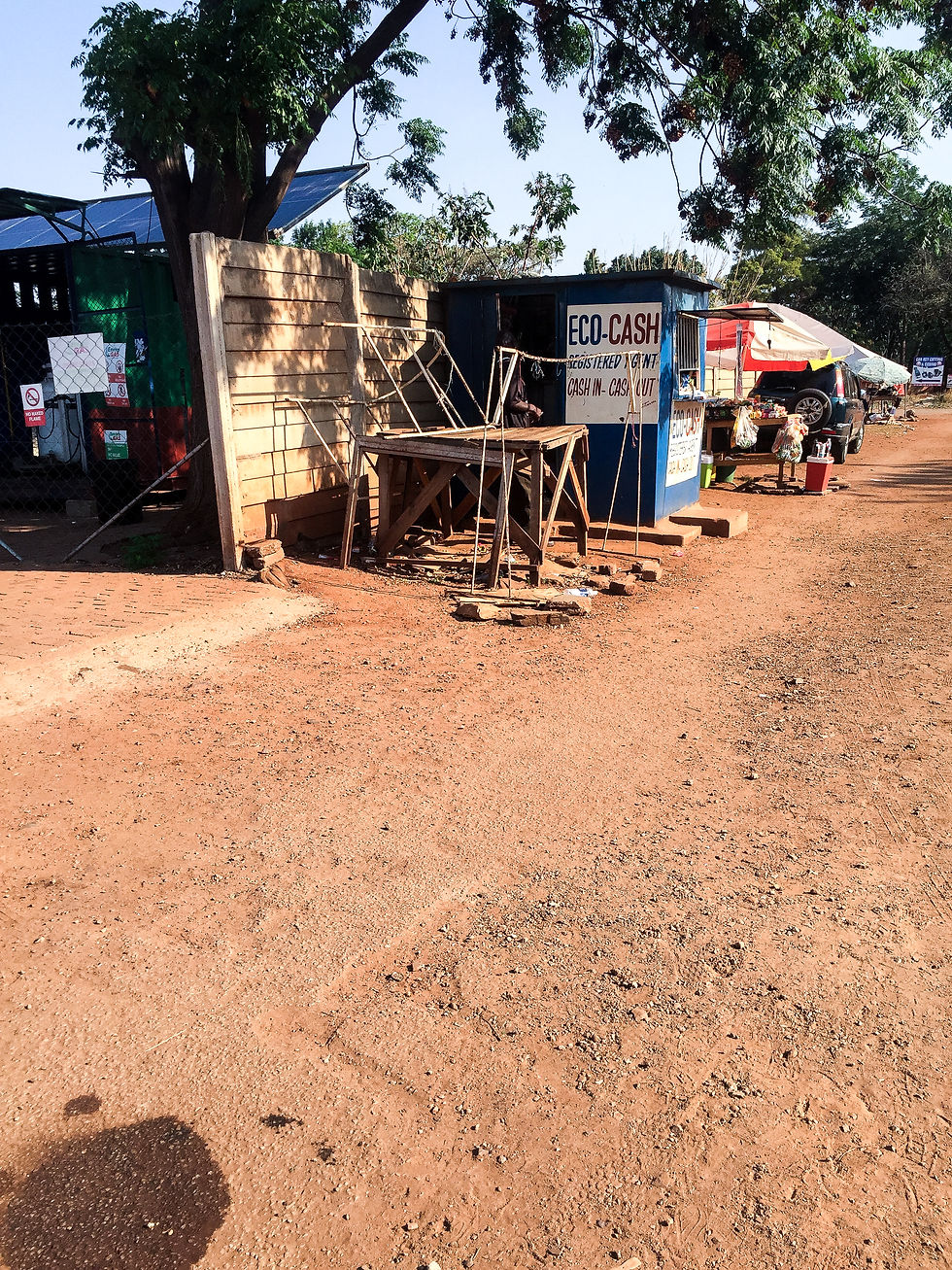
According to the Informal Economy Traders Association, the Zimbabwean government’s crackdown on informal traders, who account for more than three-quarters of the country's population, are common. This has left more than three million Zimbabweans helpless as they have now lost their main source of income.
Vendors have had to resort to asking for food and money on social media as they have used up their savings on taking care of their families. Other vendors have chosen to defy government orders and carry on selling in the CBD which can get them arrested and their goods confiscated. Which has happened.
Based on the Zimbabwe Economic Update, Overcoming Economic Challenges, Natural Disasters, and the Pandemic: Social and Economic Impacts, nearly 500,000 Zimbabwean households lost at least one member due to job loss in 2020, resulting in many households falling into poverty and worsening the predicament of the already poor. Insufficient reach/coverage of essential social protection programmes aggravated food insecurity. In June 2020, fewer than a quarter of the increasing number of extremely poor families got food help, and this proportion plummeted to 3% of rural households in September 2020.
“We’re really in an environment where there is no savings culture that can be pursued because when you deposit your money, you’ll find that, instead of it acquiring interest, it's actually been decimated by bank charges…”, Jabulani Chikomwe, the Information Officer at VISET (Vendors Initiative for Social and Economic Transformation) states “...so in such an environment, you find that people are really operating on a hand to mouth basis.”
According to the World Food Programme report, protecting livelihoods will necessitate strengthening social protection and food security while also ensuring better educational outcomes, as the government's ability to reach the growing number of people living in extreme poverty is hampered by a lack of financial resources and implementation capacity. Though humanitarian food aid can help households deal with short-term food insecurity, the report adds that Zimbabwe is focusing on longer-term solutions such as climate-proofing agriculture, better managing grain stocks, and improving rural communities' market access.
End
I conducted an interview with Jabulani Chikomwe to find out more about the challenges that vendors are facing in Zimbabwe in the Soundcloud link below:





Comments